Becca Rothfeld’s “Listless Liberalism” and Liberal Ideology
The February 2026 article by notable liberal literary critic Becca Rothfeld, “Listless Liberalism,” in The Point magazine opens and closes with two absolute falsehoods.
“Every politics has its characteristic aesthetics.” This is literally false unless rendered as tautology. There may be tendencies matching particular ideologies to aesthetics, but no necessities. Art and aesthetics are complex that way. So are politics. Contradictions abound, may abound, and do abound.
“Good politics, like good art, does not lecture or declaim.” This is also extremely false. Tony Kushner points out such claims’ falsehood in Theater (1995):
I do not believe that a steadfast refusal to be partisan is, finally, a particularly brave or a moral or even interesting choice. Les Murray, an Australian poet, wrote a short poem called “Politics and Art.” In its entirety: “Brutal policy / like inferior art, knows / whose fault it all is.” This is as invaluable an admonishment as it is ultimately untrue.
Rothfeld repeats false clichés of conventional liberal ideology — fake news passed off as conventional wisdom. Liberal culture drowns in its own falsehoods, often unwittingly, often not. The irony for Rothfeld is that she senses that liberal culture and literature is lacking and wants to improve it. Problem is, she’s a liberal, apparently through-and-through. Liberals can’t get out of anyone’s way, including their own. They hand-delivered America Trump after all, with their inflammatory language and deeds, fully backing the genocide against Palestinians and tacking toward the Iraq-invading Cheneys and the bloody-thirsty right while belittling, disparaging, and fleeing from progressives on the left. Thanks, liberals. “Liberal” is now one of the dirtiest words in any language, right alongside “Trump.” Liberals need to move along. They need to try universal and liberatory socialism for a badly needed change. It’s only centuries overdue. With “friends” like liberals, let alone conservatives, the people don’t need enemies, to be gruesomely vanquished.
Liberal thought was surpassed by socialist thought at least 150 years ago. Liberals are paid or praised to not understand this. Or to deny it. Or to ignore it.
In “Listless Liberalism” Becca Rothfeld claims that the aesthetic of literary liberalism does not “self-fashion” itself or focus on “appearance,” let alone “ostentatiously” — it’s self-effacing, stylistically or otherwise. It needs better advertising, trademarking, branding! And so it gets run over by the insurgent thrill, the bold vibes of Trumpism, the “frisson” of Trump culture. Be this as it may, this is the preferred mode of liberal ideology — the attempt to center itself as comprehensive reality and truth by essentially denying that it is part and parcel of any particular aesthetic or ideology. Liberalism is a cosmic law of nature, don’t you know, general humanism. And so liberalism derogates ideological literature and criticism — any ideology that’s not “liberal” — as biased, prejudiced, or false. As if by cosmic law or magic, everything that is not liberal is partisan — and therefore somehow incomplete or distorted, inferior to full truth — supposedly unlike liberalism. Conservatives think the same way about their even more bankrupt ideology, often framing it not as cosmic or universal law but God’s law, which amounts to the same thing. Similarly totalitarian — liberalism pretending to deny ideology, conservativism wholly embracing it — each line of thought posing as the truth of the whole.
Nothing could be farther from actual truth, in either case, as both ideologies purposefully omit vast swaths of the universe in culture, thought, and art. As Terry Eagleton notes in “Conclusion: Political Criticism,” Literary Theory: An Introduction (1983):
Radical critics … have a set of social priorities with which most people at present tend to disagree. This is why they are commonly dismissed as “ideological,” because ideology is always a way of describing other people’s interests rather than our own.
Liberalism is as ideological as anything else, while denying it nonstop. Actually existing liberalism has its vital merits but also extreme inherent limits and extreme inherent problems. Establishment liberals appear to be the last to know or admit this. Liberalism as an ideology cannot be salvaged but only surpassed. And long has been.
Simply put, the reigning liberal ideology of the past 225 years — since Jane Austen — is establishmentarian, largely pro-capitalist and anti-socialist, anti-communist, but happy to encompass the equally establishmentarian conservative ideology — if not the most extreme and retrograde Trumpist line.
Ideology is not aesthetics. It may be part of aesthetics. Aesthetics may be part of ideology. Liberalism, socialism, fascism, communism, capitalism — all are ideologies within which certain types of aesthetics may vary as well as be found everywhere, cross-ideology. Splashy, bold, insurgent aesthetics, for example, can be used to convey and express all these diverse ideologies. In other words, ideology does not drive aesthetics, and vice versa, though each may use and encompass the other. Art consists of aesthetics and normative features of life, many, including ideology.
Certain aesthetic approaches may tend toward certain ideologies, but these are largely — maybe entirely — strategic and historical choices rather than immutable constraints. Any of many vastly different ideologies may use aesthetic approaches that may or may not be more commonly found with other ideologies.
Establishment liberal wisdom prefers to pass off liberalism as central reality, unbiased, ideology-free, truth itself — whatever its aesthetics. Liberal capitalism has clung desperately to this pretense ever since socialist thought — libertarian socialism — eclipsed it long ago.
Liberalism, like, say, fascism, or, say, socialism, can be expressed aesthetically as realism, postmodernism, fantasy, modernism, tragedy, comedy, epic, in all kinds of styles, fashions, and forms. If liberalism were to have a unique aesthetic (it does not, no ideology does), then it would be an anti-socialist or anti-communist aesthetic — by which can only be meant, ideology — which liberalism typically prefers not to acknowledge, pretending its own ideological constraints do not exist, or self-deceptively posing liberalism as ideology-free despite manifesting as anti-socialist, anti-revolutionary, and fundamentally establishmentarian. Liberalism, we see you — even when you don’t see yourself. Or can’t. Especially then, and when you refuse to admit that you are known in every last ideological line, detail, and effect.
Liberal ideology often hammers away at other ideologies in wildly polemic and partisan fashion while insisting it swings no ideological hammers — only impartial, objective, or aesthetically proper implements of thought and creation. This has been the standard liberal routine for 150+ years. Becca Rothfeld is apparently its latest exemplar — far from the first — see James Wood in Fiction Gutted and Lionel Trilling and many others before him — the whole liberal establishment — and Rothfeld is likely far from last.
All the while, Rothfeld is wholly distressed that an extremely weak and insufficient liberalism is being savaged — outperformed — by Vance/Trump conservativism and the seemingly triumphant insurgent conservative or Trumpist aesthetics. So does Rothfeld call for revolution against liberalism, whether in supposed aesthetic or ideology? She calls liberalism a “dying ideology” after all. Does she then call to overthrow failing liberal art for revolutionary art because “Rome is going up in flames” and “liberalism is on the eve of its decimation”? Does she call artists to the barricades? Sadly, no. She does call for change however, to her credit, and a seeming kind of political change, additionally to her credit, and even more to her credit almost a coded kind of socialist change: “communal self-determination” — whatever that means — in art, literature, aesthetics.
Even though Rothfeld describes the current failing liberal aesthetic or “sensibility” as “wonkish … mannered … and smug,” and even though she urges instead an art that embodies “communal self-determination,” does she then advocate for a socialist, communist, anarchist, revolutionary, or even a progressive populist art? Does Rothfeld denounce and renounce her liberalism for Revolutionary Socialism, as fitting, and at long last? Whether as supposed aesthetic or actual ideology? Ever sadly, no, again. She is only sickened enough by liberalism’s failings to let out a small gasp for a new but still liberal aesthetic (seemingly a new vibe, a new tenor, a new emphasis) to “forms” of “communal self-determination,” an art that respects its audience as “equal” “agents” not “pupils.”
Got that? Everyone? Apparently liberal art does not respect is audience, and fails to create the appropriate “forms — the beautiful abrasions of communal self-determination.” In addition to being “smug,” “mannered,” and “unostentatious.”
Rothfeld provides no sense that in fact the content and ideology of liberal art cannot be salvaged, that it is wholly insufficient, badly gutted, and arevolutionary during revolutionary times one way or the other, to the good or the bad — liberatory socialist democracy or bigoted capitalist tyranny.
To Rothfeld, liberal art must undergo liberal reform and fulfill itself as — what? — a vague metaphor of participatory liberal democracy? — “the beautiful abrasions of communal self-determination.” Whatever that means — it’s not explained or extrapolated.
I’ve asked elsewhere:
Is there something Evil about Big Culture? Right wing populists certainly think so — often for all the wrong reasons.
What about leftists — what do they see as Evil in Big Culture? Plenty. Going way, way back, but never more problematic and dangerous than today given the omnicidal state of the world.
All the while, liberatory, anti-Empire revolutionary art is often quashed out of existence, frequently under the cover, often fervently believed, of good taste, objectivity, and intellectual or normative impartiality that is anything but — aka liberalism.
Rothfeld offers a new! improved! liberal culture for moving forward — a most dubious model. She suggests that:
One model for this kind of cultural production is the journal in which [mid-century arch-liberal literary critic Lionel] Trilling first published [some thoughts on the “small” literary “manners” of liberalism]: the fabled Partisan Review, a literary and political magazine that ran from 1934 until 2003 and that is perhaps the best that American cultural history—and certainly the best that American left-liberalism—has to show for itself.
Dear word. This writes out of history the actual great left-wing literary and cultural magazines of the socialist era in American history, and prior progressive eras — The Masses, The Liberator, The New Masses, and Appeal to Reason, among others — which published some of America’s most vital novels of the times, along with much other great literature, art, thought, news and information.
Instead of moving toward a badly needed and currently vital progressive populist and revolutionary mindset, culture, and ideology — and, hey, call it “aesthetics,” if you like — Rothfeld would launch literature deep again into Cold War liberal and conservative ideology — smack again into Cold War liberalism that brought the world such glories as the Vietnam and Korean massacres — and many similar wars, conflicts, and repressions, including both domestic and international American state terror campaigns — very much akin to all the gory and brutal depredations of the Trump/Vance and Biden/Harris regimes. Liberalism, like conservativism, clothes itself as humanitarian then slaughters far and wide. That’s its history and present. Call it the liberal-conservative aesthetic if you can stomach it. Establishmentarian to the hilt.
Fifty-seven years ago, the great progressive literary critic Maxwell Geismar cut through the crap with his piercing and encapsulating take on Cold War literary liberalism:
“What was the real truth, the true historical dimension, of the Cold War? As I said in opening this Introduction, a new group of Cold War historians have been giving us a whole new set of impressions, which, alas, most of those who lived through the period, and are so certain of their convictions, will not even bother to read and to think about. For if they did … the Schlesingers, the Galbraiths, the Kristols, the Max Lerners, the Trillings, the Bells, the Rahvs, the Kazins, the Irving Howes: all these outstanding, upstanding figures of our political-cultural scene today … they would have to admit both their own illusions for the last twenty years, and the fact that they have deliberately deluded their readers about the historical facts of our period. Since it was they who fastened the Cold War noose around all our necks, how can we expect them to remove it? – even though, as in the cases of Mary McCarthy and Dwight MacDonald, and the estimable New York Review of Books, they have bowed a little to the changing winds of fashion today. Due to student protests at base, and student confrontations on Cold War issues, Professors Bell and Trilling have indeed moved on from Columbia to Harvard University – but after Harvard what? Mr. Trilling has even ‘resigned’ from contemporary literature, saying at long last that he does not understand it – but only after he led the attack for twenty years on such figures as the [progressive] historian Vernon Parrington, the novelist Dreiser, the short-story writer Sherwood Anderson, and other such figures of our literary history. And only after the Columbia University English Department had taken the lead in setting up Henry James as ‘Receiver’ in what amounted to the bankruptcy of our national literature. The Cold War Liberals, historians, critics and so-called sociologists, also clustered around a set of prestigious literary magazines like Partisan Review, The New Leader, Encounter of London, Der Monat of Berlin, [also Kenyon Review and “many others”; Peter Matthiesson helped start the Paris Review as “a young CIA recruit … and used it as his cover”], which had in effect set the tone and the values of the ‘Free World’ culture. When it was revealed, about two years ago, that these leading cultural publications and organizations (the various Congresses and Committees for ‘Cultural Freedom’), as well as some student organizations and big unions of the AFL-CIO, were in fact being financed and controlled by Central Intelligence Agency – the game was up…
—Maxwell Geismar, “Introduction,” New Masses: An Anthology of the Rebel Thirties (Ed. Joseph North) (1969)
The needed literary revolution will not be liberal. It will be left-wing and revolutionary, progressive populist, and liberatory socialist. It will focus on universalizing society to fulfill human rights. This culture, art, and literature already exists if you can find it. Much more is badly needed. It’s not liberal and cannot be and should not be.
Far better political literary magazine models exist than the Partisan Review — not least The Masses, The Liberator, The New Masses, Appeal to Reason, as well as The National Era, Frederick Douglass’s New National Era, and Emma Goldman’s Mother Earth — publishers of a lot of America’s greatest literature, ideas, art, information, and news — including the crucial progressive and liberatory best-selling novels of the time, real candidates for greatest American novels in their era: Uncle Tom’s Cabin, The Jungle, and Jews Without Money. Receiving prior publication in these progressive journals, these novels changed culture and history, art and politics. First-hand research for The Jungle was substantially funded by Appeal to Reason.
Vastly aiding the abolition movement, Harriet Beecher-Stowe’s Uncle Tom’s Cabin (1852) was the greatest-selling novel of the nineteenth century and beyond, surpassing even the mighty progressive Les Misérables (1862) by Victor Hugo (which can still claim perhaps the largest publishing deal in novel history and which may itself the be most overall influential novel in history, both ideologically and aesthetically). Upton Sinclair’s socialist novel The Jungle (1906) was also a best-seller and helped pass progressive legislation. Mike Gold’s socialist novel Jews Without Money (1930) remains politically, culturally, and aesthetically influential to this day, and is in every way a greater novel than the liberal and Cold Warrior favorite novel The Great Gatsby (1925) by F. Scott Fitzgerald. These three great American abolition and socialist novels were first published in progressive, partisan newspapers and cultural journals that exceeded the establishmentarian liberal ideology of the day. This was especially true of the latter two socialist novels created and published during America’s socialist era. This era was rolled back by the “Cold War” that devastated much of the best of American art and literature, culture and society. The Cold War had severe mutilating and caustic effects, not least ideological, that continue to debilitate the present day.
The truth remains that “Good politics, like good art” may very well “lecture” and “declaim” and do a million other progressive and revolutionary things as well. It’s too true to deny, or should be, per Kushner. That said, even much of the left, throughout history, has failed to understand this — let alone the ideologically eviscerated, ignorant, and disinformed mentality pervasive in liberalism.
“The Basis for Revolution in Culture, Consciousness, and Story” is found outside liberalism in these our “Literary Times,” which prop up far too much the establishmentarian “Arevolutionary in Lit,” even as smartphone society is by now very deep into “The Third Great Age of Letters.” If only we can see the new people’s media, art, and culture, and recognize it for what it is, at its best — so far from from the woeful, and limited, and complicit “liberal” imagination and so very much closer to the progressive populist, socialist, and liberatory in lit. “Imaginative Writers Must Intervene Directly and Explicitly in the Day” to create revolutionary art and culture.
As for Becca Rothfeld’s liberal tale of “Listless Liberalism” and liberal ideology, to her credit, maybe even great credit, Rothfeld senses that literary change is necessary and that it must be somehow tied up with political change, which she passes off as aesthetic, rather than ideological. Maybe passing off the ideological as aesthetic is how you can successfully, or at all, talk about sensitive things, ideologically fraught, in the establishment or sneak revolutionary life past the overlords of publishing. There exist badly needed stories of cultural and social and political change that are Most Revolutionary, Ultra Revolutionary, and otherwise imbued with revolt, lest we be caught in the terminal Doomsday Time Loop of our era.
The needed stories and literature and art are not liberal stories. They are not new liberal or old liberal. They do though contain something of “communal self-determination.” Which may even serve as code for revolution and liberatory socialism — who knows — and the new “universalizing” of huge parts of society that is badly needed — historically called nationalizing and socializing society. It’s long since time to universalize what is vital to human rights — all for one and one for all.
I’ll say it again, as before:
It’s time to universalize everything — all for one and one for all.
It’s time to reject Trump’s bigoted capitalist bullshit, us against them, bigoted profiteering.
It’s time to reject establishment Democrats’ perpetual profiteering, and often equally brutal bigotry.
To get this done, the country needs to get its head out of its ass. It needs to reject supremacy and profiteering. It needs to embrace universality.
There is no alternative to implementing many sweeping universal programs, including as Presidential Orders, on day one of a new term. It’s a litmus test for candidates, and can be an inspiration to all. It’s as material as can be. Progressive and socialist emergency universal orders and acts for emergency times. To actually represent and fulfill the interests and the needs of the people.
Implementing universal programs that cover the entire human rights spectrum would greatly stimulate, improve, and transform the economy, people’s lives, and society.
And doing so would enable the demilitarization of everything, as everything must be demilitarized, the police state and the surveillance state, rolled back, the prisoner state and the debtor state eviscerated.
A strong progressive push in electoral politics and social organizing could get this done. Strikes and actions, organizing and propagandizing. The good kind of propaganda. The power of propaganda is crucial. The state, after all, has a monopoly on violence but not propaganda, not organizing, not acting, not striking.
What is true today is what was true 162 years ago when Victor Hugo noted
Society must be saved in literature as well as in politics.
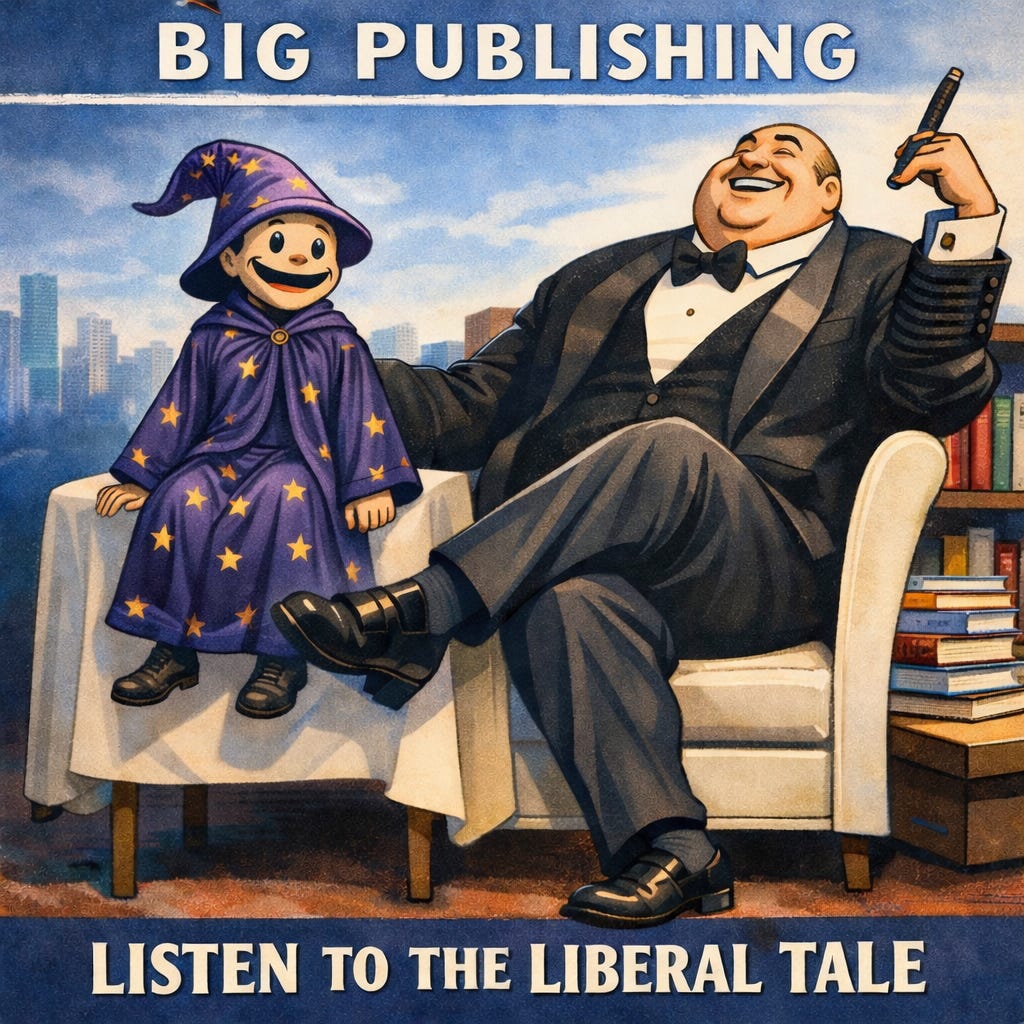
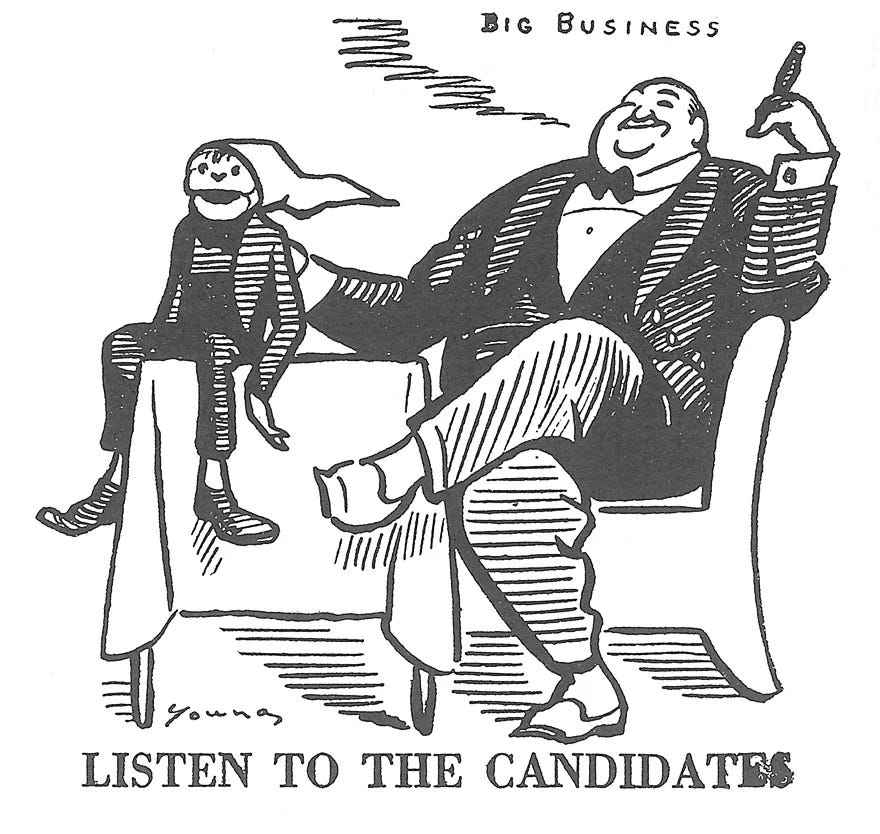
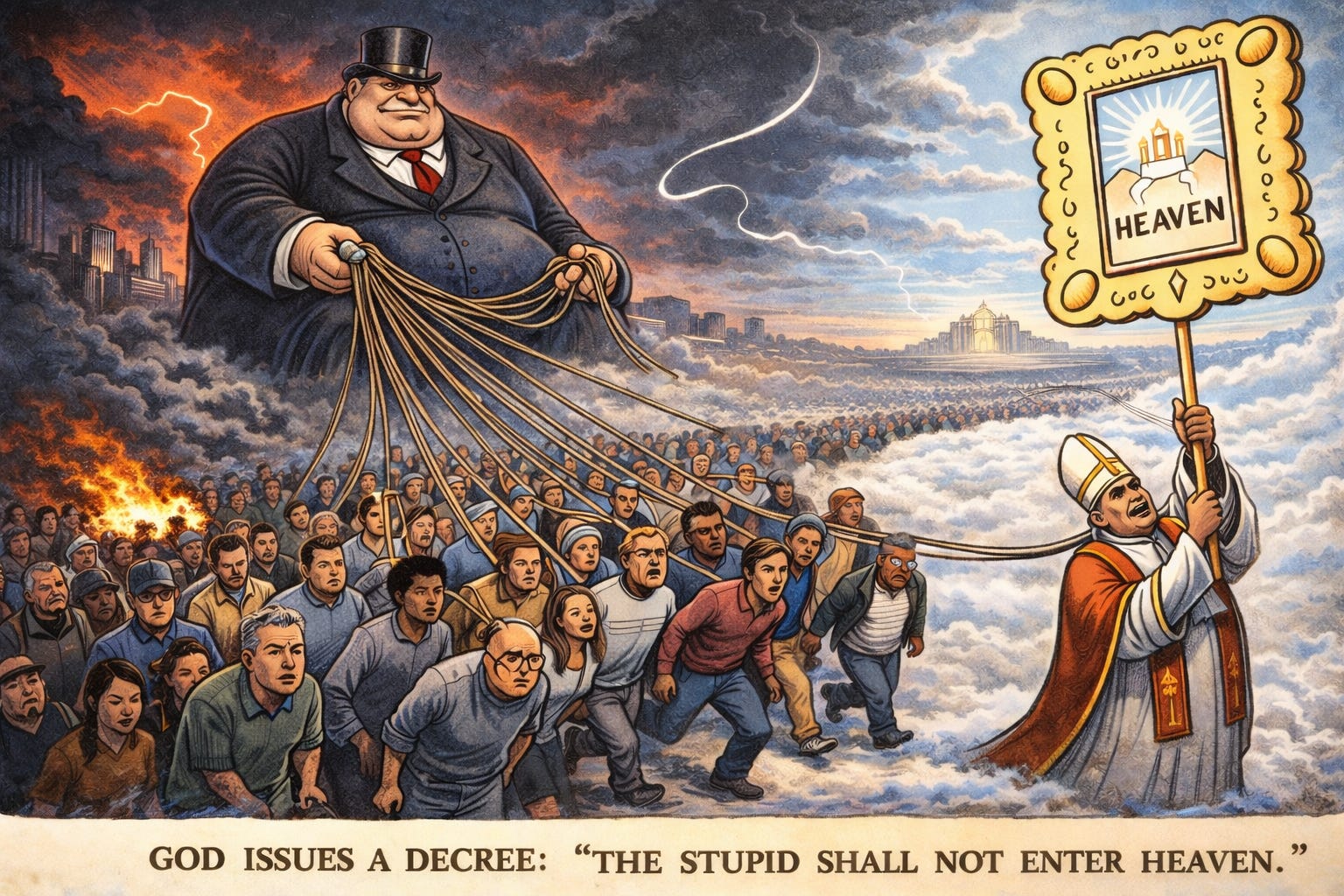
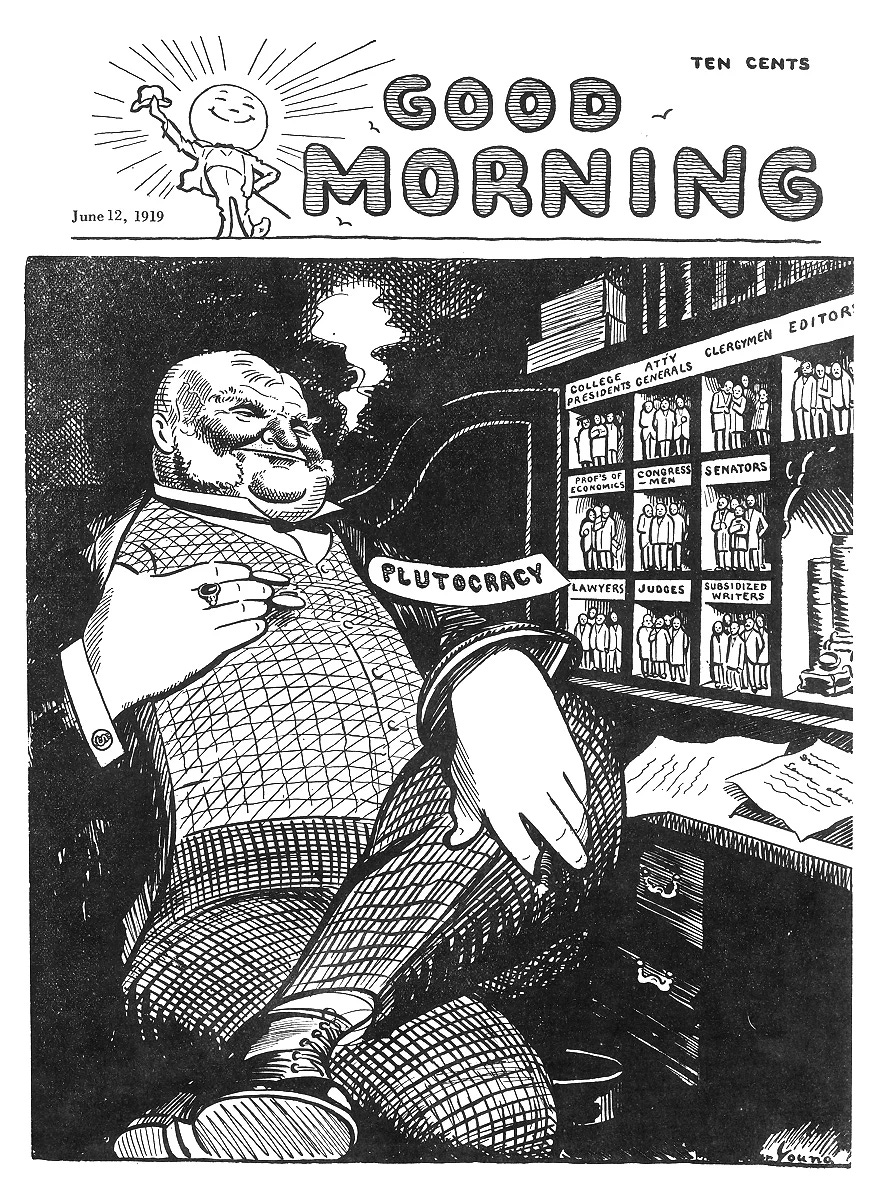
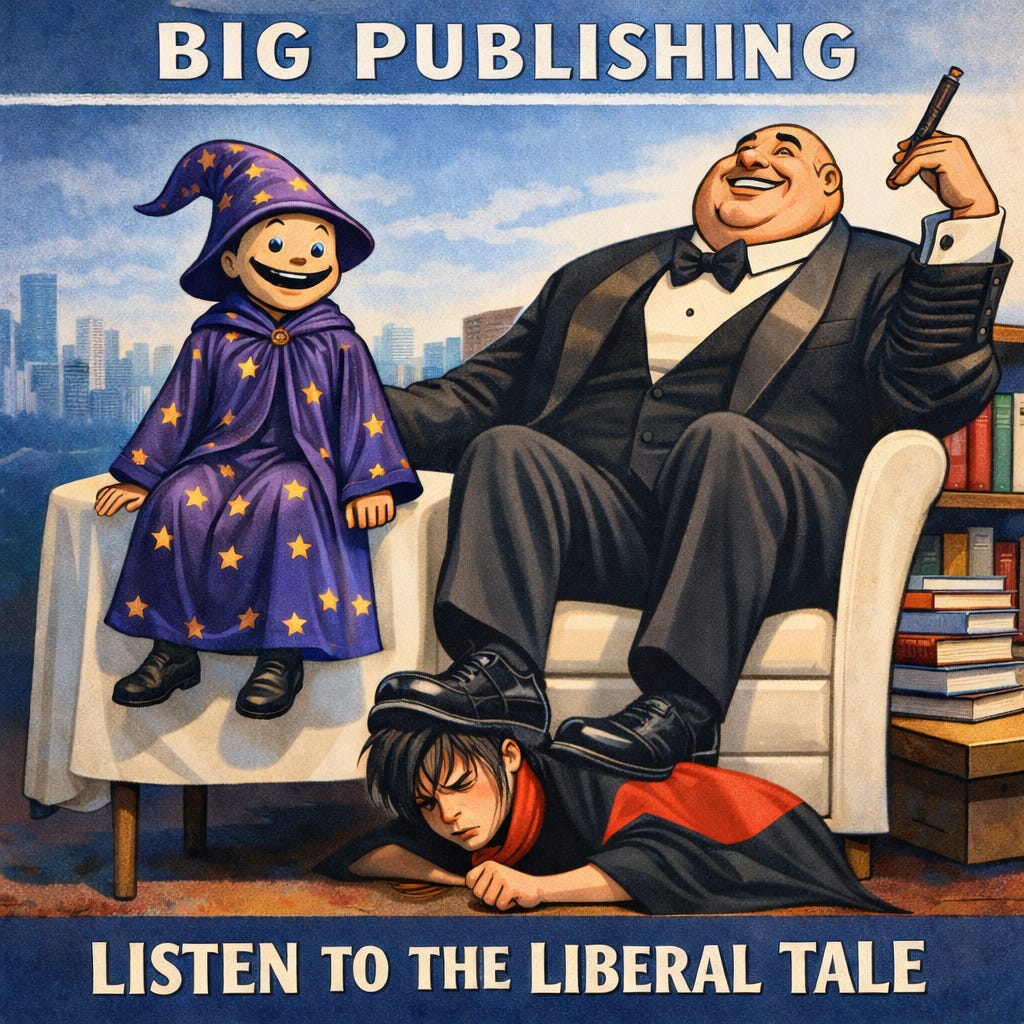
Time for a new day. But don’t expect the gatekeepers to crack of their own will. Despite Becca Rothfeld’s liberal exhortations, or maybe because of them, because of such a meager if hope-filled cry against the “small,” the mind-numbingly narrow, the deep phalanx of guardians and perpetrators of the establishment will continue to stand guard against a much more humanly powerful and inspiring future — liberatory socialist and universalist. The four tiers of gatekeepers — the liberal and conservative agents, editors, publishers/owners, and publicists — will continue to stand guard against such a future.
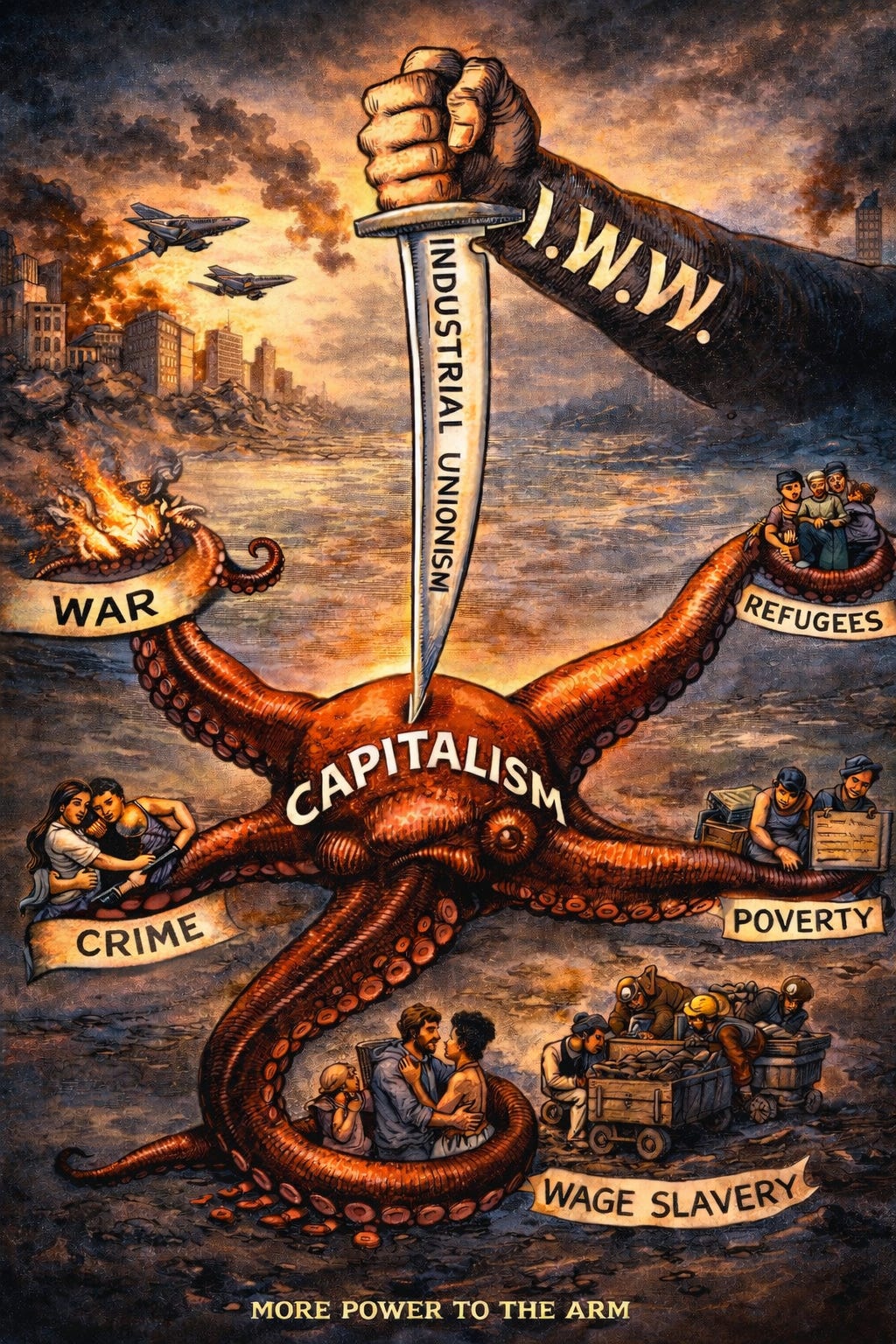
The many-tentacled beast denies it is a beast. The literary and ideological gatekeeps are remorseless. They know just how to edit you out. They’ve been perfectly conditioned to do so, often unwittingly, often unconsciously. Aesthetics have nothing to do with it, or everything depending on how one might like to mistake aesthetics for ideology. Stealth propaganda is everywhere. Overt bullshit too. Let none call it brainwashing. Let no one speak of taboo. Contemporary establishment publishing remains deficient in and of culture and society — derelict and complicit, in a wildly inadequate and rampaging liberal and conservative status quo.
Imagine the most liberatory ways forward. We know what they are not. We know they must be truly new. Revolutionary.
 A Practical Policy